




矯正って何歳からでもできる? 大人になってから始める方が知っておきたいこと
- 2026年4月17日
- マウスピース矯正・ワイヤー矯正
「歯並びが気になるけれど、もう大人だから今さら矯正は遅いのでは?」
「学生の頃にやっておけばよかったけれど、社会人になった今でも間に合う?」
そんなふうに感じたことはありませんか。
矯正治療というと、子どもや学生のうちに始めるもの、というイメージを持つ方も少なくありません。たしかに、成長発育を活かしやすい時期に行う小児矯正には、その年齢ならではの考え方があります。けれど一方で、大人になってから歯並びや噛み合わせを整えたいと考える方も、いまは決して珍しくありません。
実際に大人の矯正では、「見た目をきれいにしたい」という理由だけではなく、「前よりも歯磨きしにくくなってきた」「前歯の重なりに汚れがたまりやすい」「昔より噛みにくい気がする」「写真に写った自分の口元が気になる」など、日常の中で積み重なった違和感がきっかけになることもあります。
大切なのは、年齢だけで判断することではありません。今のお口の状態に合った治療が検討できるか、どんな方法が自分に向いているかを丁寧に見極めることです。
この記事では、「矯正は何歳からでもできるのか」「大人になってから始める場合にどんな点を知っておくとよいのか」「相談前に不安になりやすいポイントは何か」について、できるだけわかりやすく整理してお伝えします。
矯正に年齢制限はあるの?

結論からいうと、矯正治療は「何歳までならできる」と一律に決まっているものではありません。
大人の矯正で大切なのは年齢そのものよりも、歯ぐきや歯を支える骨の状態、むし歯や歯周病の有無、噛み合わせの状態、そしてどのようなゴールを目指すのかという点です。
つまり、「もうこの年齢だから無理」と自己判断する必要はありません。ただし、「何歳でも同じように簡単にできる」と考えるのも違います。年齢を重ねると、お口の中にはこれまでの生活や治療歴が積み重なっています。昔に入れた詰め物や被せ物、歯ぐきの下がり、歯周病の進行、歯のすり減りなど、若い頃にはなかった条件を踏まえて治療計画を考える必要があります。
そのため、大人の矯正は「年齢の問題」というより、今のお口の状態をどこまで正確に把握できるかが重要です。年齢に不安がある方ほど、まずは現在地を知ることが大切です。
子どもの矯正と大人の矯正の違い
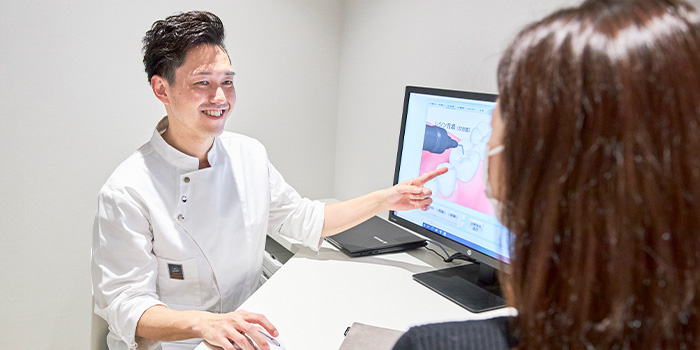
同じ矯正治療でも、子どもの矯正と大人の矯正では考え方が少し異なります。
子どもの矯正では、永久歯がきれいに並ぶための土台づくりや、顎の成長のバランスを見ながら進めていく考え方が入ることがあります。成長発育を活かせる時期だからこそ、歯そのものだけでなく、顎の幅や噛み合わせの方向性まで見ていくことができます。
一方で、大人の矯正は、すでに顎の成長が落ち着いた状態で行います。そのため、今ある歯並びや噛み合わせを前提に、どのように歯を動かしていくかを丁寧に設計していくことが中心になります。見た目の改善だけでなく、しっかり噛めるか、磨きやすくなるか、無理のない位置に歯を並べられるかなど、より総合的な視点が必要になります。
ここで大切なのは、大人の矯正は「見た目だけ整えれば終わり」という話ではないということです。歯並びは、セルフケアのしやすさや、特定の歯に負担が集中しないかどうかにも関わります。だからこそ、見た目の悩みから相談を始めたとしても、実際には噛み合わせや歯周組織の状態まで確認しながら治療方針が決まっていきます。
大人になってから矯正を始めるメリット
大人になってから矯正を始めることには、不安だけでなく、実はメリットもあります。
目的がはっきりしている
大人の方は、「なぜ歯並びを整えたいのか」が比較的明確なことが多いです。口元の印象を変えたい、前歯の重なりを改善したい、歯磨きをしやすくしたい、将来のトラブルを減らしたいなど、ご自身の中に治療の目的があります。そのため、相談時にも希望を共有しやすく、治療後のゴールイメージをすり合わせやすい傾向があります。
生活スタイルに合わせて方法を考えやすい
最近は、マウスピース矯正やワイヤー矯正など、治療方法の選択肢が広がっています。仕事中の見た目が気になる方、会食や人前で話す機会が多い方、通院頻度を重視したい方など、それぞれの生活背景に合わせて相談しやすくなっています。
お口全体を見直すきっかけになる
大人の矯正は、歯並びだけを切り離して考える治療ではありません。むし歯や歯周病、被せ物の状態、噛み合わせ、食いしばりの傾向など、今のお口全体を見直すきっかけになります。結果として、「見た目を整えたい」という入口から始まった相談が、お口全体の健康管理を見直す時間になることもあります。
大人の矯正で不安になりやすいこと
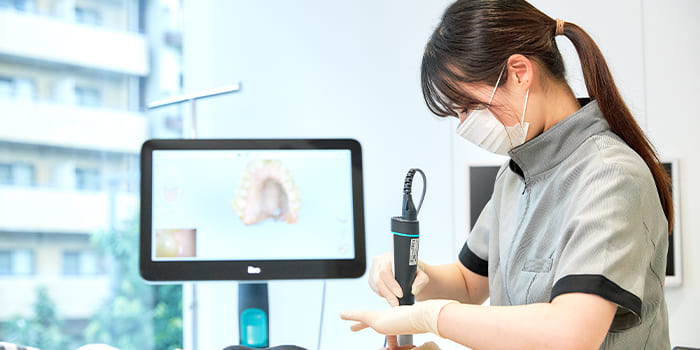
一方で、大人の矯正では気になることも多いはずです。ここでは、よくある不安を整理してみます。
今さら始めるのは遅い気がする
これはとても多い不安です。ただ、歯並びがずっと気になっていた方ほど、年齢を理由に後回しにしてきたケースも少なくありません。大切なのは、遅いかどうかを感覚で決めるのではなく、今の状態でできることを確認することです。
仕事や日常生活に支障が出ないか心配
社会人になると、見た目や会話のしやすさ、食事のタイミング、通院のしやすさなど、学生時代とは違う心配が出てきます。特にマウスピース矯正では自己管理が重要になるため、生活リズムの中で無理なく続けられるかは大切な視点です。一方で、ワイヤー矯正の方が適しているケースもあるため、見た目だけで決めずに相談することが重要です。
歯ぐきや昔の治療歴が気になる
大人になると、歯ぐきが少し下がっていたり、昔の詰め物や被せ物が入っていたりすることがあります。そうした背景がある場合は、矯正単体ではなく、他の治療との優先順位も含めて考える必要があります。ここが子どもの矯正とは違う、大人ならではの難しさでもあります。
費用と期間が読みにくい
大人の矯正は、治療範囲や方法によって費用も期間も変わります。さらに、お口の状態によっては矯正前にむし歯や歯周病の治療が必要になることもあります。だからこそ、最初の相談では「自分はどこまで治す必要があるのか」を整理してもらうことが大切です。
矯正を始める前に確認したいポイント
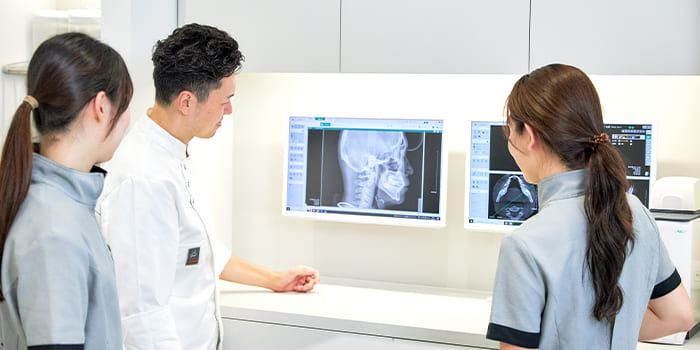
大人の矯正を検討するときは、次のような点を確認しておくと、相談がぐっと具体的になります。
1. 歯ぐきと骨の状態
歯を動かすためには、歯を支える歯ぐきや骨の状態が安定していることが大切です。歯周病がある場合は、まず炎症のコントロールを優先することがあります。年齢よりも、こうした基礎条件の方が治療の進め方に影響します。
2. むし歯や被せ物の状態
過去の治療歴がある場合、矯正前に確認しておきたいことが増えます。被せ物の形や位置によっては、歯の動かし方を考慮する必要があることもあります。見た目の相談から始まっても、実際には総合的な診査が重要です。
3. 何を優先したいか
前歯の見た目だけ整えたいのか、噛み合わせまでしっかり整えたいのかで、治療計画は変わります。患者様ご自身の中で優先順位が整理できていると、相談の精度も上がります。
4. 続けやすい治療方法か
どんなに理想的な方法でも、生活に合わなければ続けにくくなります。装着時間の自己管理がしやすいか、通院のスケジュールに無理がないか、仕事との両立ができそうかまで含めて考えることが大切です。
西新宿で大人の矯正を考えるときの見方
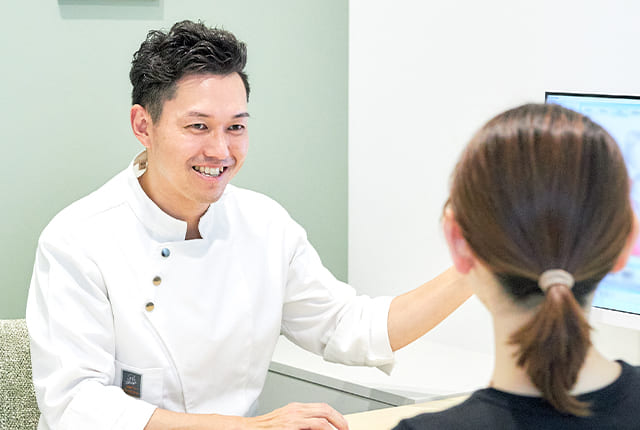
西新宿で矯正を考える方の中には、仕事帰りに通えるか、目立ちにくい方法があるか、費用の見通しが立つかを重視する方も多いと思います。
こうしたときに大切なのは、「料金表だけを見る」ことではありません。大人の矯正は、歯並びの見た目だけでなく、歯ぐきの状態や昔の治療歴、噛み合わせまで見て判断した方がよいケースもあります。だからこそ、最初の相談では「自分に矯正が向いているか」「どの方法が現実的か」を整理してもらうことが大切です。
また、矯正治療は一回で終わるものではなく、継続して通うことが前提になります。そのため、通いやすさや、相談しやすい環境かどうかも、無理なく続けるうえで大切な判断材料になります。
まだ治療を始めるか決めきれていない段階でも問題ありません。むしろ、迷っている時期に相談することで、「今すぐ始めるべきか」「まず他の治療を優先した方がよいか」「自分に合いそうな方法は何か」が見えやすくなります。
まとめ
矯正治療は、年齢だけで一律に判断するものではありません。大人になってからでも、お口の状態によっては十分に検討できる治療です。
ただし、大人の矯正では、歯ぐきや骨の状態、むし歯や歯周病、昔の治療歴、生活スタイルなど、若い頃にはなかった条件も含めて考える必要があります。そのため、見た目の悩みだけで決めるのではなく、お口全体を見ながら判断することが大切です。
「大人になってから矯正するのは遅いかも」と感じている方ほど、まずは今のお口の状態を知ることから始めてみてください。相談することで、治療の可否だけでなく、自分にとって無理のない選択肢が見えてくることがあります。
西新宿で「大人になってからでも矯正できるのか気になる」という方は、まずは無理のない形で相談してみてはいかがでしょうか。疑問を整理するだけでも、次の一歩が見えやすくなります。
よくあるご質問
Q1. 矯正は何歳までできますか?
A. 一律に「何歳まで」と決まっているわけではありません。年齢よりも、歯ぐきや骨、むし歯や歯周病の状態などを確認したうえで判断します。
Q2. 大人になってから矯正を始めるのは遅いですか?
A. 遅いと決めつける必要はありません。まずは現在のお口の状態で、どのような治療方法が検討できるかを確認することが大切です。
Q3. 大人の矯正では見た目だけ整えれば十分ですか?
A. 見た目は大切ですが、噛み合わせや磨きやすさも重要です。見た目だけでなく、お口全体のバランスを見て計画を立てることが大切です。
Q4. 仕事をしながらでも矯正は続けられますか?
A. 治療方法によって通院頻度や日常生活での管理方法は異なります。生活スタイルに合う方法があるかを、相談時に確認すると安心です。
Q5. 矯正前にむし歯や歯周病があっても相談できますか?
A. はい、相談できます。ただし、状態によっては矯正より先にむし歯や歯周病の治療を優先することがあります。
自由診療・リスク・副作用について
矯正治療は自由診療です。治療に伴い、歯の移動時の痛みや違和感、発音のしづらさ、装置周囲の清掃性低下によるむし歯・歯周病のリスク、歯根吸収、歯肉退縮、後戻りなどが起こることがあります。また、歯の動き方や装置の使用状況により、治療期間や治療内容が変更となる場合があります。
【監修者紹介】
酒井 敏貴(さかいとしき)
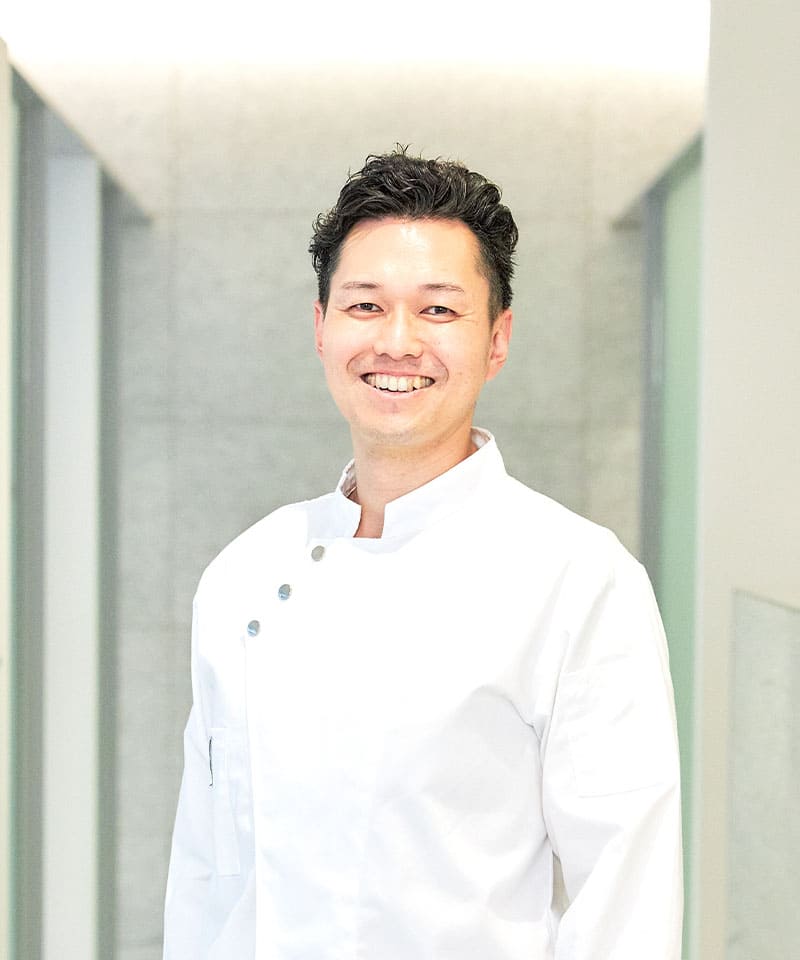
日本大学歯学部卒業後、日本大学歯学部附属歯科病院にて研修。
その後、都内複数の歯科医院で経験を積み、2021年に《こうとう
デンタルオフィス木場》間口院。 2024年には《TOKYO DENTAL OFFICE 西新宿》を開業し、地域密着型かつ予防重視の診療スタイルを貫いています。
略歴:
-
2010年 日本大学歯学部卒業
-
2012年 日本大学歯学部附属歯科病院にて研修
-
2013年 都内歯科医院にて勤務
-
2021年 こうとうデンタルオフィス木場 開院
-
2024年 TOKYO DENTAL OFFICE 西新宿 開院
【姉妹院のご案内】
こうとうデンタルオフィス木場
東京メトロ東西線「木場駅」から徒歩1分。
小さなお子さま連れでも安心の無料託児サービス、バリアフリー設計の内部など、家族みんなで通える歯科医院です。
 住所:〒135-0042 東京都江東区木場5-2-5 阿部ビル2階
 TEL:03-5809-8566
東京都新宿区西新宿5-1-1-101(イオンフードスタイル店内2F) 平日18:30まで/土曜17:30まで診療
 WEB予約対応中
家族の「歯の健康」を一緒に守り続けて
あり続けられるよう、私たちはこれからも努力してまいります。
新宿・西新宿・中野坂上・西新宿五丁目など新宿エリアで信頼できる歯科医院をお探しの方は、ぜひ一度ご相談ください。
English Version
Can Orthodontic Treatment Be Started at Any Age? What Adults Should Know Before Beginning
“I am concerned about my teeth alignment, but is it too late now that I am an adult?”
“I wish I had done this when I was younger, but can I still start orthodontic treatment as a working adult?”
These are very common concerns.
Many people still think orthodontic treatment is something that should be done only during childhood or the teenage years. It is true that orthodontic treatment for children has advantages because growth can be taken into account. However, it is also increasingly common for adults to seek treatment to improve the alignment of their teeth or their bite.
In many adult cases, the motivation is not only cosmetic. Some people feel their teeth have become harder to brush, others notice crowding in the front teeth, some feel their bite is not as comfortable as before, and some become more aware of their mouth when looking at photos of themselves. These small daily concerns often become the reason to finally seek advice.
The most important point is that treatment should not be judged by age alone. What matters is whether treatment is appropriate for your current oral condition, and which method is most suitable for your lifestyle and goals.
In this article, we explain whether orthodontic treatment can be started at any age, what adults should know before starting, and which concerns are worth discussing before treatment begins.
Is There an Age Limit for Orthodontic Treatment?
In general, orthodontic treatment is not limited by a strict age cutoff.
For adults, what matters more than age itself is the condition of the gums, the supporting bone around the teeth, whether there is tooth decay or periodontal disease, the bite, and what kind of final result is being hoped for.
This means there is no need to decide on your own that you are “too old.” At the same time, it is not accurate to assume that treatment is equally simple at every age. As we get older, our mouths often reflect years of dental history and daily habits. Existing crowns or fillings, gum recession, periodontal changes, or tooth wear may all influence the treatment plan.
That is why adult orthodontic treatment is less about age itself and more about understanding the current condition of the mouth in detail. For people who feel unsure because of their age, the first step is to understand where things stand now.
The Difference Between Orthodontic Treatment for Children and Adults
Although both are orthodontic treatments, the basic approach differs between children and adults.
With children, treatment may involve guiding jaw development and helping create enough space for permanent teeth to erupt properly. Because the body is still growing, the treatment plan may take jaw balance and future development into account.
For adults, jaw growth has already finished. This means treatment focuses more on how to move the teeth within the current structure of the mouth. In addition to improving appearance, adult treatment also needs to consider bite stability, ease of cleaning, and whether the teeth can be positioned safely and functionally.
That is why adult orthodontics should never be seen as treatment that only improves appearance. Tooth alignment also affects how easy it is to clean the teeth and whether certain teeth are overloaded. Even when the consultation begins with a cosmetic concern, the actual treatment plan often depends on the bite and the health of the surrounding tissues.
The Benefits of Starting Orthodontic Treatment as an Adult
Starting orthodontic treatment as an adult can have several advantages.
Your goals are often clearer
Adults usually have a clearer reason for wanting treatment. Some want to improve the appearance of their smile, others want to reduce crowding, make brushing easier, or improve long-term oral health. Because the reason is often more specific, it can be easier to discuss goals clearly during the consultation.
Treatment choices can be matched to your lifestyle
Today, there are more treatment options than before, including aligners and wire-based orthodontics. This makes it easier to discuss methods based on daily life, work schedule, visibility, and personal priorities.
It becomes a chance to review the whole mouth
Adult orthodontic treatment is not only about straightening teeth. It can also become an opportunity to review tooth decay, periodontal condition, existing restorations, bite balance, and clenching habits. In that sense, a consultation that begins because of appearance may also lead to a broader review of oral health.
Common Concerns Adults Have About Orthodontic Treatment
Adults often have understandable concerns before starting treatment.
“Is it too late for me now?”
This is one of the most common worries. Many people have been concerned about their teeth for years but kept postponing treatment because of age. The important thing is not to decide based on feeling alone, but to confirm what is realistically possible now.
“Will treatment interfere with work or daily life?”
Adults often worry about appearance, speaking, eating, scheduling appointments, and daily self-management. In particular, aligner treatment requires consistent use, so it is important to consider whether it fits your routine. On the other hand, in some cases wire orthodontics may still be the more suitable choice. This is why treatment should not be selected based on appearance alone.
“What if I already have gum recession or past dental work?”
Many adults already have crowns, fillings, or some degree of gum recession. In such cases, orthodontic treatment may need to be planned together with other dental care. This is one of the areas where adult treatment differs from treatment in children.
“It is hard to estimate the cost and the treatment length”
For adults, both cost and treatment duration depend on the extent of treatment and the current oral condition. In some cases, tooth decay or periodontal treatment may need to come first. That is why the first consultation is so important for understanding what needs to be addressed.
What to Check Before Starting Orthodontic Treatment
If you are considering orthodontic treatment as an adult, the following points can make your consultation more productive.
1. The condition of the gums and supporting bone
To move teeth safely, the gums and bone that support them should be in a stable condition. If periodontal disease is present, controlling inflammation may need to come first.
2. Existing tooth decay or restorations
If you have crowns, fillings, or a history of dental treatment, there may be additional points to consider before orthodontic treatment begins. Even when the concern is mainly cosmetic, a full oral evaluation is important.
3. Your priorities
Do you mainly want to improve the appearance of the front teeth, or do you also want to improve the bite more comprehensively? Treatment planning often changes depending on these priorities.
4. Whether the method fits your life
Even a well-designed treatment plan can be difficult if it does not fit your daily routine. It is important to consider whether you can manage wear time, maintain regular visits, and continue treatment comfortably while working.
How to Think About Adult Orthodontic Treatment in Nishi-Shinjuku
For people considering orthodontic treatment in Nishi-Shinjuku, practical concerns often include whether they can attend appointments after work, whether less visible options are available, and whether the treatment plan feels realistic in terms of cost and continuity.
At this stage, the important point is not simply comparing prices. Adult orthodontic treatment may require evaluating not only alignment, but also gum condition, previous dental treatment, and bite balance. That is why a meaningful consultation should help clarify whether orthodontic treatment is suitable for you and which method is realistic for your case.
Even if you have not yet decided to start treatment, there is still value in seeking advice. A consultation can help clarify whether treatment should begin now, whether another condition should be addressed first, and what options may be appropriate for your situation.
Summary
Orthodontic treatment is not determined by age alone. Even as an adult, treatment may still be a realistic option depending on the condition of your mouth.
However, adult orthodontics often requires a broader view that includes the gums, supporting bone, tooth decay, periodontal disease, past dental work, and lifestyle. For that reason, treatment should not be judged only by appearance.
If you feel that it may be “too late” to start orthodontic treatment, the first step is simply to understand your present condition. A consultation can help reveal not only whether treatment is possible, but also what kind of approach may be realistic and comfortable for you.
For those in Nishi-Shinjuku who are wondering whether adult orthodontic treatment is still possible, beginning with a careful consultation may be the most practical first step.
Frequently Asked Questions
Q1. Is there an age limit for orthodontic treatment?
A. There is no strict age limit. What matters more is the condition of the gums, supporting bone, tooth decay, periodontal health, and the overall condition of the mouth.
Q2. Is it too late to start orthodontic treatment as an adult?
A. Not necessarily. The important thing is to confirm what type of treatment may be possible based on your current oral condition.
Q3. Is improving appearance enough in adult orthodontics?
A. Appearance is important, but bite balance and ease of cleaning are also very important. Treatment planning should consider the whole mouth.
Q4. Can I continue orthodontic treatment while working?
A. In many cases, yes. However, visit frequency and daily management differ depending on the treatment method, so it is important to discuss what suits your lifestyle.
Q5. Can I still have a consultation if I have tooth decay or gum disease?
A. Yes. However, depending on the condition, treatment for tooth decay or periodontal disease may need to be prioritized before orthodontic treatment begins.
Important note regarding private treatment, risks, and side effects
Orthodontic treatment is generally a private treatment. Possible risks and side effects may include pain or discomfort during tooth movement, temporary difficulty with speech, a higher risk of tooth decay or gum problems if cleaning becomes difficult, root resorption, gum recession, and relapse after treatment. Treatment duration and treatment details may also change depending on how the teeth move and how the appliance is used.
TOKYO DENTAL OFFICE Nishi-Shinjuku
5-1-1-101 Nishi-Shinjuku, Shinjuku-ku, Tokyo 160-0023
Inside AEON Food Style, 2F